
Today’s requirement for money transactions is the absence of delays, even with foreign fund transfers. The breakthroughs in decentralization technology have allowed the implementation of blockchain payments. Below, we’ll analyze the role of blockchain in cross border payments and the obstacles faced by companies while doing so.
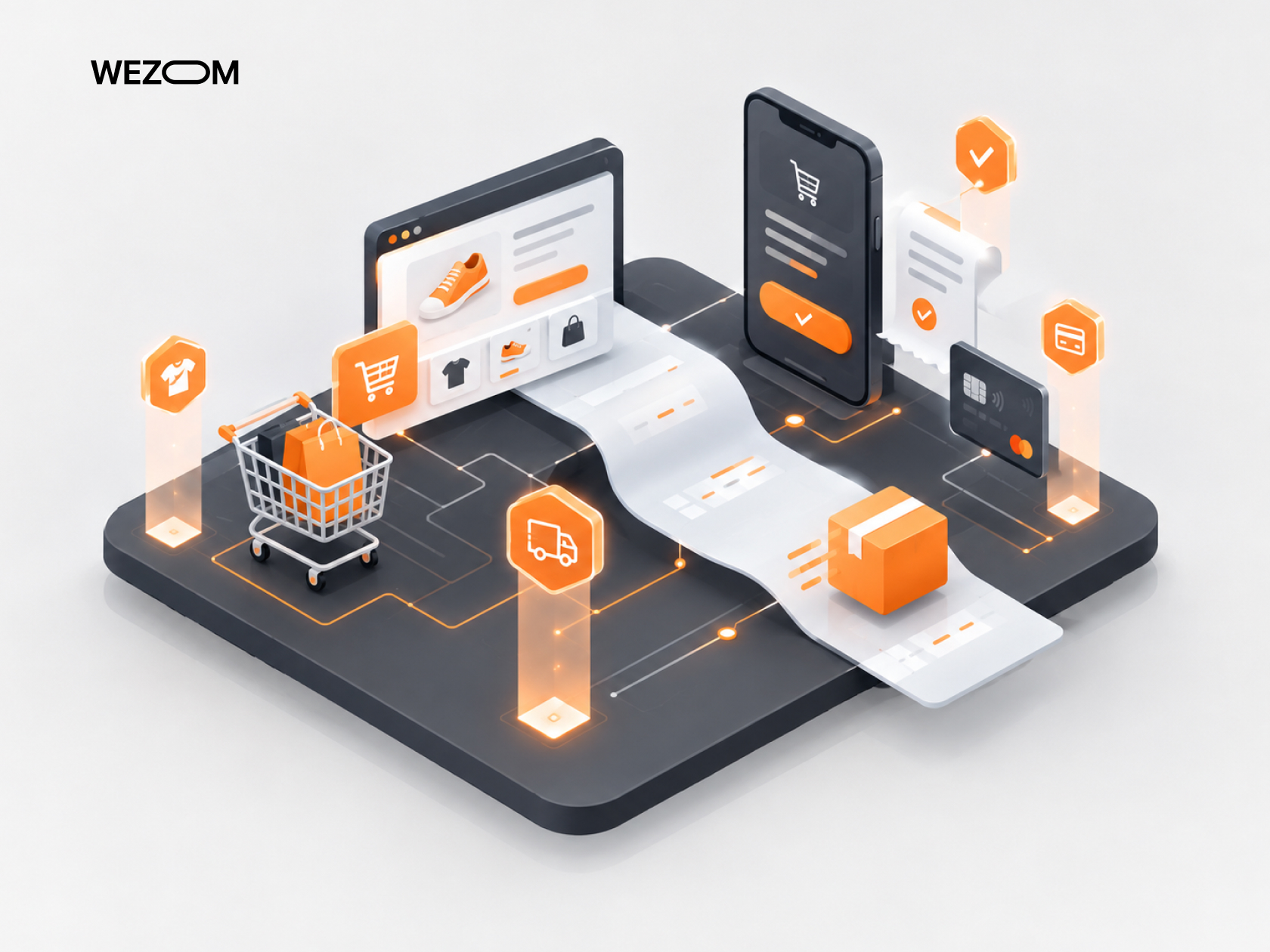
Why Blockchain Payments Have Gained Ground in Ecommerce and B2B
Traditional methods of international transactions are outdated and fail to keep pace with the speed of businesses across the continents. The use of blockchain for payment processing emerged as the market's response to the demand for reduced costs.
Where Traditional International Payment Infrastructure Creates Friction
Transfers via correspondent banking networks expose businesses to delays, hidden fees, the risk of blocked transactions, and complete unpredictability regarding the final amount credited. The process involves numerous payment intermediaries, each charging a processing fee. Furthermore, traditional correspondent banking requires constant monitoring and makes it difficult to predict exactly when funds will be credited.
How Blockchain for Payment Processing Changes the Settlement Model
Using a decentralized ledger shifts operations to a distributed architecture where parties interact directly. The underlying distributed ledger technology eliminates the need for lengthy reconciliations between banks. As a result, payment settlement occurs in real time, and the transaction becomes final, with no risk of reversal.
Ecommerce Payments vs B2B Payments: Different Requirements and Use Cases
Retail and corporate sectors have different priorities when choosing tools. In the B2C segment, the main role is played by ecommerce payment processing and minimal delay after placing an order. At the same time, B2B payments require strict compliance, processing of large checks, integration with document management, and stable processes for supplier payments.
Blockchain Payments vs Conventional Bank Transfers and Card Networks
Card acquiring and interbank transfers impose geographical restrictions and entail high fees for international transactions. Cross border payments blockchain technology eliminates dependence on banking hours and holidays. A transparent payment infrastructure reduces acquiring costs and ensures round-the-clock service availability worldwide.
How Blockchain Cross Border Payments Work
To assess the specific business benefits from the technology, you have to understand the payment journey from the moment of initiation by the buyer to the point of crediting the seller.
The Transaction Flow From Payer to Merchant or Supplier
The process begins with generating an invoice for a fixed amount in fiat currency or digital assets. The clients transfer funds from their digital wallets, and network nodes validate the transaction. A monitoring service detects the transfer and notifies the merchant's system that the payment automation has executed and the order status has been updated.
On-Chain Transfers, Payment Processors, and Settlement Layers
Directly processing transactions on a public network is not always convenient due to volatile fees and block generation times. A specialized blockchain payment gateway handles address generation and confirmation tracking. Such a processing solution creates a user-friendly interface atop the networks and ensures fast cross-border settlement for businesses.
Fiat-to-Crypto and Crypto-to-Fiat Conversion
Far from every supplier is willing to tie up working capital in digital assets, making rapid conversion essential. Fiat on-ramp infrastructure is used for deposits, enabling the buyer to pay via card or bank transfer. On the seller's side, a fiat off-ramp service operates, instantly converting the received coins into local currency and transferring the funds to a bank account.
Stablecoins as a Settlement Instrument for International Payments
The volatility of traditional cryptocurrencies complicates accounting, leading businesses to opt for stablecoin payments. Using digital equivalents of the dollar or euro ensures stable pricing for goods and services. The concept of stablecoin settlement combines the speed of decentralized networks with the predictability of fiat currency, transforming international payments into a straightforward process.
Public Blockchains, Private Networks, and Permissioned Payment Infrastructure
Companies use open networks or specialized closed consortia for transactions. Public blockchains ensure global accessibility and decentralization. Permissioned or private networks offer businesses enhanced privacy and customizable throughput.
Blockchain in Cross Border Payments: What Problems Can It Solve?
International trade faces daily infrastructure barriers that drive up the cost of goods and slow down supply chains. Distributed ledgers address the problems inherent in this system.
Reducing Intermediaries in International Transactions
In the traditional model, issuing banks, acquirers, clearing centers, and payment systems stand between the sender and the recipient. Eliminating these superfluous links enables direct blockchain cross border payments between counterparties. This saves on fees and eliminates the risk of payment delays caused by intermediaries.
Faster Settlement Across Countries and Time Zones
A traditional SWIFT transfer takes 2 to 5 business days due to chains of correspondent banks. The use of blockchain and smart contracts ensures real-time settlement within minutes or seconds. This speed of settlement frees up working capital and enables sellers to ship goods faster.
Improving Payment Transparency and Transaction Traceability
Each transaction is recorded in a distributed ledger and assigned a unique, immutable hash. This high level of transparency simplifies payment reconciliation for the accounting department. Both parties to the transaction can clearly see the transfer status and the number of network confirmations.
Reducing Correspondent Banking Dependencies
Small and medium-sized banks in developing countries often lose access to correspondent accounts at major global institutions. The use of a decentralized payment network enables businesses to conduct international trade while bypassing the rigid constraints of correspondent banking, thereby creating a level playing field for all market participants.
Managing Foreign Exchange and Settlement Complexity
Multi-currency settlements always entail risks associated with exchange rate fluctuations and high conversion spreads. The use of algorithmic services and fixed digital assets simplifies multi-currency payments, allowing businesses to accurately calculate transaction margins and avoid losses from double conversion.
Supporting Markets With Limited Access to Traditional Payment Rails
Many regions are cut off from the modern banking system due to high risks or the unprofitability of maintaining branches. Cryptocurrency payments offer payment rails for entering such markets, enabling any company with internet access to participate in global trade without opening a traditional bank account.
Blockchain Payments in Ecommerce: Practical Use Cases
Online retail requires flexible tools to serve a global audience, as traditional cards are not always effective. Let’s examine scenarios for integrating this technology into e-commerce.
Accepting Cryptocurrency and Stablecoin Payments at Checkout
Integrating digital assets into the online store’s checkout process expands payment options for customers worldwide. The user selects digital asset payments, scans a QR code, and confirms the transaction. The merchant is guaranteed to receive payment without the risk of subsequent unjustified chargebacks or delays.
Cross-Border Purchases Without Relying Entirely on Card Acquiring
International acquiring often entails high decline rates due to strict bank security filters. Direct blockchain transactions operate without the use of cards, thereby increasing conversion rates for successful purchases when dealing with overseas customers in international e-commerce.
International Marketplace Seller Payouts
Global marketplaces send earned funds to thousands of sellers across dozens of countries on a daily basis. Using traditional bank transfers for small amounts eats up a significant portion of profits. Automated vendor payments via blockchain enable instant payouts with minimal network costs.
Refunds and Merchant-to-Customer Transactions
Processing refunds for international customers via the banking system can take weeks. Using smart contracts enables the automation of these repayments. The process becomes transparent, and the customer receives the funds back in their wallet within minutes.
Micropayments and Digital Goods
Selling content, digital items, or subscriptions for small amounts is often unprofitable due to fixed banking fees. The use of fast Layer 2 networks creates an environment for processing micropayments where transaction fees amount to mere fractions of a cent.
Blockchain Retail Payment Scenarios for Global Merchants
Major brands are implementing blockchain retail solutions to create a seamless shopping experience across both online and offline channels. A unified global payment gateway infrastructure enables retailers to accept payments worldwide and centrally manage financial flows.
Blockchain Payments for B2B Transactions
In the B2B segment, transaction values are significantly higher, while requirements for reliability and document management are far more stringent. Blockchain ecommerce оffers the corporate sector effective tools for settlements.
International Supplier and Vendor Payments
Paying for raw material or equipment imports requires strict adherence to timelines to avoid production downtime. Blockchain payments enable settlements with foreign counterparties regardless of national holidays or banking business days, thereby fostering greater trust between partners.
Distributor and Dealer Settlements
Major manufacturers operating through dealer networks across multiple countries often have to manage numerous currency accounts. Utilizing a unified payment infrastructure simplifies settlements with distributors, accelerates order processing, and minimizes the risk of payment delays.
Cross-Border Invoice Payments
The issuance and payment of international invoices have traditionally involved manual verification of payment details and long waits for funds to be credited. Combining electronic invoicing with smart contract payments makes it possible to automatically link incoming transfers to documents in the accounting system and accelerate the settlement of outstanding balances.
Treasury Transfers Between International Business Entities
Transnational corporations regularly transfer funds between subsidiaries to reallocate liquidity. Intra-corporate international money transfers conducted via traditional banks incur commission and currency conversion costs. Utilizing blockchain networks optimizes treasury management and reduces corporate expenses.
Automated Payment Execution Using Smart Contracts
Programmable payment technology embeds business logic directly into the money transfer process. A payment can be automatically sent to the seller only after the logistics company confirms receipt of the cargo. This reduces risk for the parties involved and eliminates the need for bank letters of credit.
Blockchain-Based Settlement in Supply Chain Transactions
Integrating the payment layer with supply chain tracking systems creates a transparent environment for all participants in the process. Each shipment and intermediate stage is automatically recorded in the ledger and triggers a payment. This accelerates capital turnover and reduces the business's need for credit financing.
Payment Gateway Based on Blockchain Technology: Framework and Important Parts
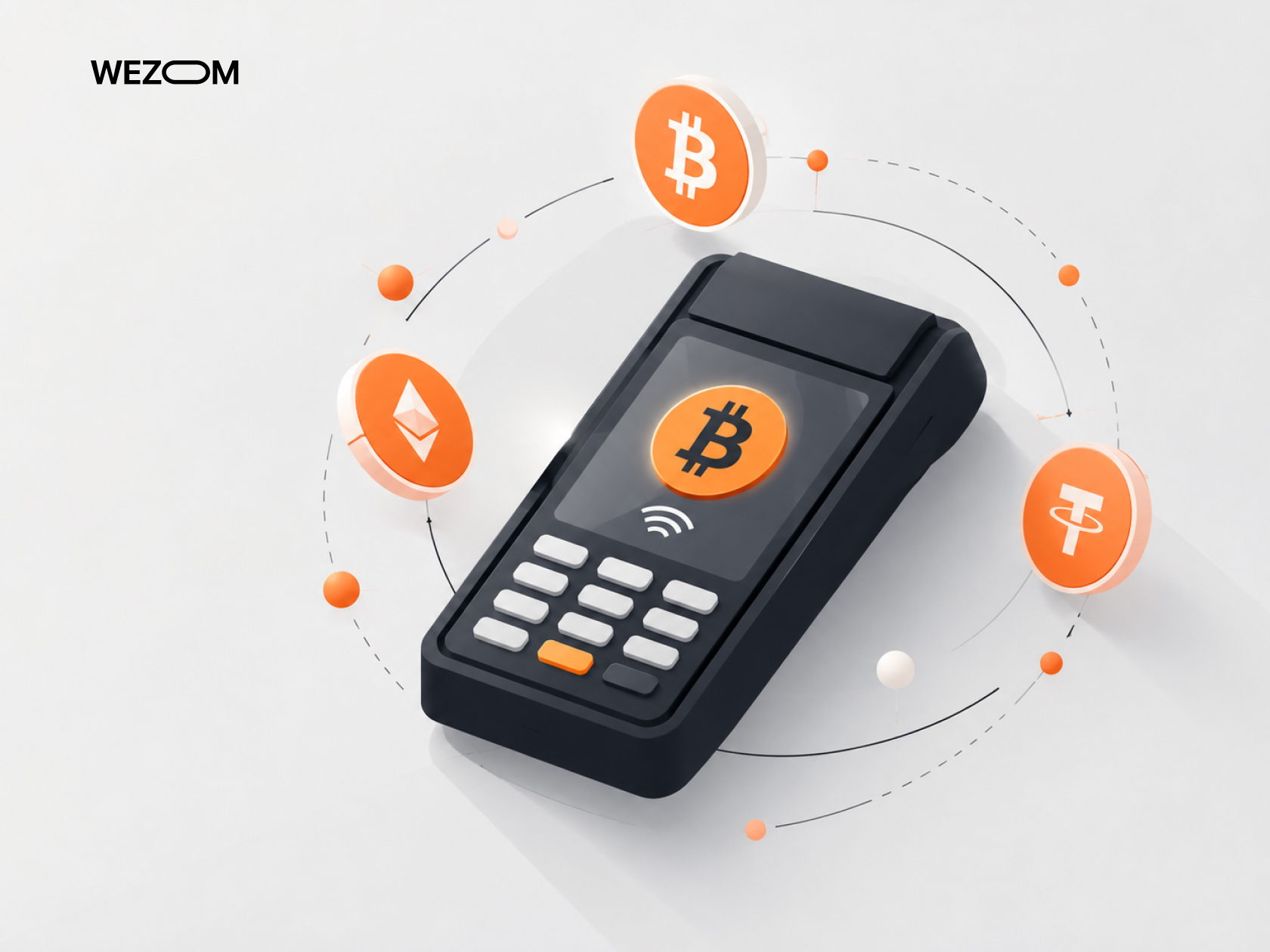
An architecture is critical when talking about whether a blockchain based payment gateway is capable of processing hundreds of transactions every second while simultaneously guaranteeing user data security.
Here are the layers of the processing architecture:
- Interaction layer. This term refers to all components of the UI and mobile SDKs that help customers complete payment transactions.
- Integration layer. This part is represented in the form of a payment API and ready-made modules for integration with software products used in the international ecommerce sector and corporate software.
- Business logic layer. This layer is considered to be the heart of the system, responsible for operations such as invoice creation, processing of payments and timeouts, as well as processing of exchange rates and payment procedures.
- Security layer. This term stands for the technology used for key generation, performance of encryption, authentication of users, and access control.
- Blockchain interaction layer. This module enables sending, scanning of blocks, signing contracts, and working with nodes.
Customer-Facing Checkout and Payment Initiation
The customer-facing module generates the payment form and displays the QR code and the amount due. Simplicity is paramount: the buyer should not have to navigate complex network choices or fee calculations, and the system must instantly detect the incoming transfer.
Infrastructure of Wallet and Management of Address
The process of all transactions begins with the generation of addresses and storage of wallets. Depending on circumstances, the company's system implies either custodial wallets or non-custodial wallets, the difference lying in key management. Each transaction gets a specific address that allows for easy tracking.
Connection to Blockchain Node or API
To both send and receive transactions, the gateway needs to be permanently connected to the cryptocurrency network. This can be implemented by deploying the company's own nodes or connecting to a third party provider.
Exchange Rate Calculation and Currency Conversion
Since cryptocurrency rates fluctuate constantly, the gateway requires a liquidity aggregator. The module locks in the exchange rate at the time the invoice is issued and incorporates a small spread to buffer against volatility. This ensures the merchant receives the exact amount originally specified in the price tag.
Merchant Settlement and Withdrawal Mechanisms
The payout component handles the transfer of accumulated revenue to the merchant's wallets or bank accounts. Depending on the configuration, merchant settlement occurs automatically upon reaching a specific threshold or according to a set schedule.
Transaction Monitoring, Reconciliation, and Reporting
The accounting module automatically matches incoming hashes with order numbers in the database. Depending on the settings, merchant settlement occurs automatically upon reaching a limit, according to a schedule, upon an administrator's manual request, or at the end of a specified calendar period.
Integration with E-commerce, ERP, Accounting, and Order Management Systems
The payment gateway operates in close integration with the company's IT infrastructure. Two-way synchronization with accounting systems enables the automation of document generation and inventory management immediately after a transaction is confirmed.
Blockchain Payment Gateway vs Traditional Payment Gateway
When the two approaches are compared, a deep gap in speed, pricing, and financial flow control becomes obvious.
Transaction Processing and Settlement Speed
While traditional acquiring services authorize cards instantly, it takes from 1 to 3 days for money to reach the merchant's account, whereas blockchain processors allow for crediting and final settlement to occur at the same moment following the receipt of the necessary block confirmations.
Processing Fees and Intermediary Costs
Traditional systems charge 2-4% for international transactions and add currency conversion fees. Using a cryptocurrency gateway reduces costs to fixed network fees or a fraction of a percent, resulting in significant savings on sales volume.
Chargebacks and Transaction Finality
A major issue in online retail is the chargeback, where a customer reverses a payment through their bank. Blockchain transactions are irreversible, guaranteeing transaction finality. Merchants are fully protected against unjustified fund reversals initiated by customers.
Currency and Geographical Coverage
To accept cards from various countries, merchants must establish legal entities in the relevant jurisdictions and integrate local acquiring services. Blockchain operates across borders, enabling the acceptance of payments from users worldwide without the need to navigate banking restrictions.
Merchant Onboarding Requirements
The process of connecting to a conventional bank acquiring can take weeks because of the verification and paperwork processes. However, integrating with cryptocurrency processing occurs at a much greater speed and enables companies to quickly enter new markets.
Compliance and Operational Responsibilities
In the case of card transactions, compliance procedures are mainly on the acquiring bank in this case. In the case of blockchain gateways, compliance is assured either by the company itself or by a dedicated specialist.
Real Benefits of Blockchain for Payment Processing
Transitioning to a new payment infrastructure offers businesses tangible advantages that transform the economics of international sales.
Faster International Settlement
The primary benefit is the speed of fund settlement. Instead of waiting days for a bank transfer, a company gains access to revenue almost instantly, boosting liquidity and accelerating capital turnover.
Lower Dependence on Payment Intermediaries
Reducing the number of intermediaries between buyer and seller lowers the risk of service denial or unexpected fee changes. Businesses gain direct control over their financial flows.
24/7 Transaction Availability
Decentralized networks operate without breaks or weekends. Customers can make purchases, while B2B partners can pay invoices at any time of day, with consistent crypto payment processing speeds.
Improved Visibility Into Transaction Status
Ledger transparency eliminates situations where funds get "stuck between banks." Both sender and recipient get access to the public transaction hash and can verify its status via an independent block explorer.
Programmable Payments and Payment Automation
Smart contracts enable scenarios with programmable payments: split payments for marketplaces, automated partner payouts, subscription models, escrow arrangements, and instant royalty payments. Settlement logic executes automatically when predefined conditions are met.
Access to Alternative Payment Infrastructure
Adopting digital assets opens access to a customer and partner base that prefers holding funds in cryptocurrency, creating a competitive advantage in the global market.
Potential Simplification of Multi-Country Payment Operations
Instead of maintaining dozens of currency accounts across different countries, a company can use a single blockchain payment gateway to process incoming flows from around the world, simplifying treasury and accounting functions.
What Blockchain Payments Do Not Automatically Solve
Despite its obvious advantages, the technology presents a number of challenges that businesses should be aware of from the outset.
Blockchain Fees and Network Congestion
During periods of peak load on popular networks, the cost of including a transaction in a block increases. High network fees make small purchases uneconomical; consequently, payment processors must select optimal networks or utilize Layer 2 solutions.
Cryptocurrency Volatility
Exchange rate fluctuations can cause the cryptocurrency amount received for a product to lose value before it is converted. To mitigate this risk, businesses must employ auto-conversion mechanisms or switch to using stablecoins.
Stablecoin Issuer and Counterparty Risks
Using stablecoins does not eliminate all the risks. Actually, a company remains dependent on the digital asset issuer's reliability, financial stability, and exposure to regulatory pressure.
Off-Chain Processing and Banking Dependencies
Even when the blockchain layer functions perfectly, businesses still need to withdraw funds into the traditional banking system to cover taxes, rent, and payroll. At the stage of interacting with banks, companies once again face standard banking procedures.
Limited Reversibility and Dispute Resolution Challenges
Transaction irreversibility protects the seller but creates difficulties in cases of data entry errors or disputes. Funds sent in error cannot simply be recalled via a dashboard button; recovering them requires contacting the recipient and obtaining a voluntary refund.
User Experience Barriers for Customers Unfamiliar With Digital Assets
For the buyer, the process of managing wallets, gas fees, and network selection can seem too complex. User errors, like selecting the wrong transfer network, can lead to the irreversible loss of funds and a negative experience.
Compliance, Security, and Regulation in Blockchain Payments
Legally operating with digital assets requires a company to comply with financial regulations and information security standards.
KYC and KYB Requirements
To meet regulatory requirements, services are required to perform identity verification. The KYC compliance procedure is used to verify individuals, while KYB compliance is applied to verify legal entities and their ownership structures.
AML and Transaction Monitoring
Inbound and outbound transfers must undergo AML compliance analysis. Specialized transaction monitoring services assess the risk level of addresses and check for links to the darknet, hacks, mixers, sanctions lists, and illicit services.
Sanctions Screening for Cross-Border Transactions
A payment system operator is required to screen settlement participants against international sanctions lists. The sanctions screening process makes it possible to block a transaction in a timely manner if the address belongs to a sanctioned party.
Travel Rule Requirements and Virtual Asset Transfers
The Travel Rule requires virtual asset service providers to transmit information about the originator and beneficiary for transactions exceeding a certain threshold, thereby aligning cryptocurrency transfers with traditional banking transfers.
Custodial vs. Non-Custodial Payment Infrastructure
The choice of custody architecture affects a company's regulatory status. Utilizing custodial solutions shifts some licensing obligations to the provider, whereas a non-custodial model requires the company to establish its own security infrastructure.
Private Key and Wallet Security
A private key compromise results in the immediate loss of funds held in the wallet. Ensuring blockchain security involves implementing multi-signature schemes, using Hardware Security Modules, conducting regular security audits, deploying automated anomaly monitoring systems, and continuously encrypting critical data.
Regulatory Differences Between Countries and Jurisdictions
The legal status of digital assets varies by country, ranging from full legal recognition to strict prohibitions. Companies must adapt their payment processes to comply with evolving local regulations.
Stablecoins vs Cryptocurrencies for Cross-Border Business Payments
The choice of digital asset type determines the financial model and operational resilience of a company's payment system.
Why Stablecoins Are Commonly Considered for Commercial Settlement
Stablecoins have become the standard for commercial settlements due to their peg to fiat currencies. Sellers know the product's value in the local currency in advance, while buyers do not need to calculate complex exchange rates before making a payment.
Fiat-Backed Stablecoins and Their Role in International Payments
Tokens backed by reserves held in issuers' bank accounts serve as a digital bridge for international trade. The concept of stablecoin payments combines the widespreading of fiat money with the innovativeness of decentralized networks.
When Volatile Cryptocurrencies May Still Be Appropriate
Using volatile assets like Bitcoin/Ethereum is justified when dealing with niche audiences or operating in regions with high local currency inflation. In such cases, accepting volatile coins is paired with instant conversion into fiat.
Liquidity, Conversion, and Redemption Considerations
When selecting assets, it is essential to assess their liquidity on exchanges. Low coin liquidity hinders fiat conversion of large volumes and leads to losses due to price slippage.
Choosing Supported Assets for an Ecommerce or B2B Payment System
Curating a list of accepted coins depends on customer preferences and company capabilities. The optimal approach is to support 2-3 popular stablecoins on fast networks along with the main cryptocurrencies.
Blockchain and Cross Border Payments: Cost Structure
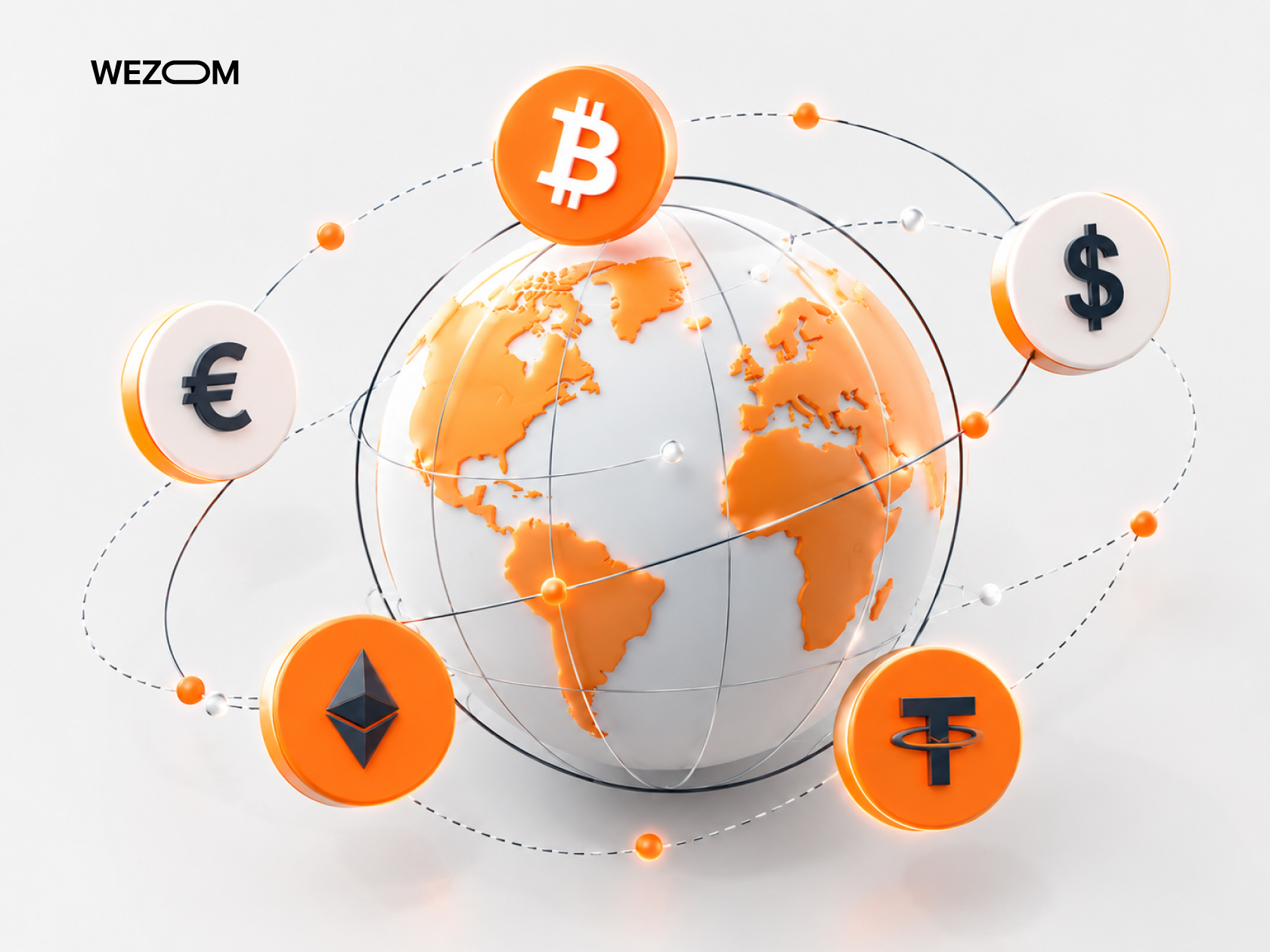
Determining the cost of blockchain and cross border payments differs in several ways from standard merchant acquiring; specifically, the main cost components for the former are as follows:
- Blockchain network fees (referring to the cost of including a transaction in a block, which depends on overall network workload and code complexity);
- Payment provider fees (a fixed percentage charged for providing gateway infrastructure and the conversion process itself);
- Conversion costs (incurred via exchanges and market makers when swapping digital assets for fiat currency);
- Compliance costs (including AML checks, KYC policy implementation, legal support, etc.).
Blockchain Network Fees
Network fees compensate validators for processing transactions; these vary based on the specific blockchain and network load. Typically, this amount ranges from a few cents to tens of dollars per transaction.
Payment Gateway and Processing Fees
Intermediary services charge fees for proprietary software, guaranteed exchange rates, and automated payout capabilities. These fees typically amount to 0.5-1% of transaction volume, which is significantly lower than standard bank rates.
Fiat On-Ramp and Off-Ramp Costs
Moving funds into or out of the digital plane always entails fees charged by banks and other intermediaries. Specifically, costs associated with fiat on-ramps and off-ramps depend on the jurisdiction, the methods employed by the specific provider, and the volume of conversion.
Currency Conversion and Liquidity Costs
Exchanging rare coins often entails unavoidable losses due to the market spread; therefore, to minimize these, it makes sense to connect gateways directly to major liquidity pools.
Compliance and Infrastructure Expenses
Server infrastructure, API service integration (for address verification), and obtaining or maintaining licensing status also require significant capital investment, which must be factored in from the very beginning of the system's financial planning.
How to Compare Total Payment Cost With Traditional International Transfers
To estimate total costs, you need to sum up acquiring fees, currency conversion spreads, the cost of waiting for the transfer, and potential losses from payment reversals. Nevertheless, the aggregate cost of all these factors remains lower than that of standard interbank transfers.
Build, Integrate, or Use a Third-Party Blockchain Payment Provider?
What is the best approach: building a custom solution from scratch, using an API, or integrating a ready-made cloud service?
When an Existing Blockchain Payment Gateway is Sufficient
For small and medium-sized businesses, the optimal choice is to connect a ready-made cloud gateway, a process that takes just a couple of days.
When Businesses Need Custom Blockchain Payment Infrastructure
Custom development is required when seamless merchant payment integration with an ERP system and end-to-end control over key storage are needed.
Hosted, API-Based, and White-Label Payment Solutions
Hosted solutions redirect the user to a separate payment page, API integration embeds the form into the website's code, and white-label products enable processing under one's own brand.
Custodial vs Self-Managed Architecture
The custodial model entails the provider handling the complexities of key storage, whereas a self-hosted architecture requires a high level of in-house cybersecurity expertise.
Factors Affecting Blockchain Payment Development Cost and Complexity
The cost is determined by the number of supported networks, the complexity of the smart contract code, transaction processing speed, integrations with fiat channels, and the strictness of compliance requirements.
How to Implement Blockchain Payments in an Ecommerce or B2B Platform
The implementation of the new payment infrastructure requires the following steps.
Step 1: Define Payment and Settlement Scenarios
Describe who makes the payment, the currency in which the product price is determined, how the conversion takes place, and where the funds are credited.
Step 2: Select Countries, Currencies, and Digital Assets
Define the business's geographic scope by assessing the most in-demand digital assets and compiling a list of supported stablecoins and fiat currencies.
Step 3: Choose Blockchain Networks and Payment Architecture
Select transaction processing networks based on their throughput and fee structures. It is also important to determine whether off-the-shelf APIs will suffice or if building a custom infrastructure is required.
Step 4: Design Compliance and Transaction Monitoring Workflows
Configure user identification and cryptocurrency address verification processes using AML services to block suspicious transactions.
Step 5: Integrate the Payment Layer With Business Systems
Integrate payment modules with your website, mobile app, and accounting system, and configure webhooks to automatically update order statuses upon transaction completion.
Step 6: Implement Reconciliation, Accounting, and Reporting
Define the rules for report exporting, exchange rate mapping, and commission accounting, followed by the establishment of protocols for interaction with auditors.
Step 7: Test Security, Transaction Failures, and Edge Cases
Conduct stress tests of the system involving network latency, fee spikes, refunds, etc.
Step 8: Launch With Monitoring and Operational Controls
Launch the payment system, including services for uptime monitoring, liquidity tracking, and technical support.
How to Evaluate Whether Blockchain Payments Make Business Sense
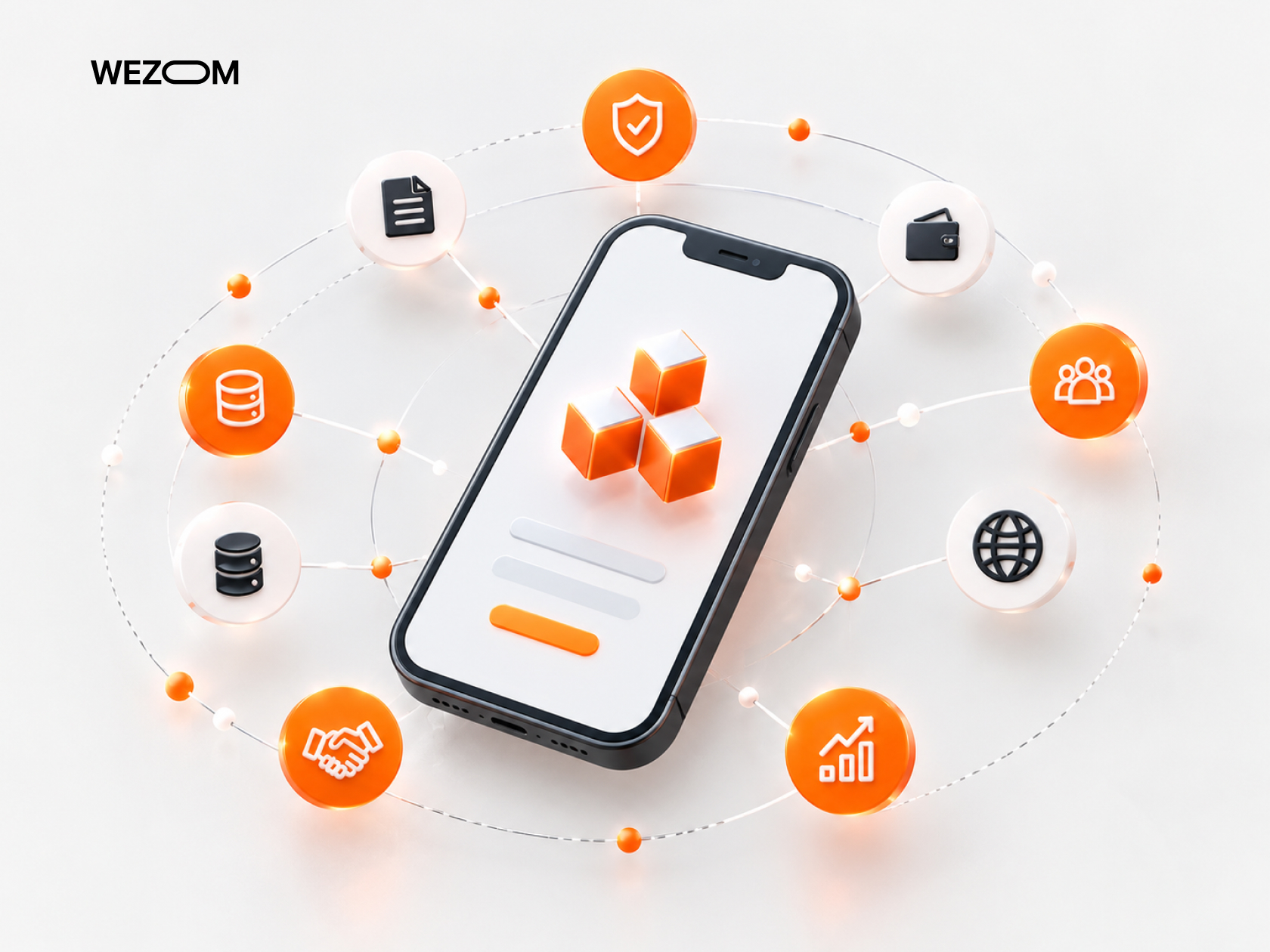
Before initiating integration, the company needs to analyze the feasibility of implementing new technical solutions.
Transaction Volume and Average Payment Value
The technology proves most advantageous in cases of high international sales volumes or a high average transaction value.
Number of Countries and Currencies Involved
The broader the geographical scope and the greater the number of currency pairs involved, the higher the economic potential of transitioning to a unified digital infrastructure.
Current International Payment Costs
Comparing costs for bank acquiring/currency conversion/maintaining foreign currency accounts with blockchain processing rates reveals the potential for cost reduction.
Settlement Delays and Working Capital Requirements
If a company is experiencing cash flow gaps due to delays in the receipt of funds from abroad, implementing instant settlements will help free up working capital.
Customer and Supplier Demand for Alternative Payment Methods
Requests from clients or partners to make payments in stablecoins serve as a compelling argument for implementing blockchain-based e-commerce solutions.
Regulatory Exposure and Operational Readiness
The company must assess its readiness to work with digital assets in the context of legal transparency, the availability of highly specialized specialists, and the readiness of the IT infrastructure for end-to-end automation with the addition of new processes.

FAQ
Can blockchain payments be converted automatically into fiat currency?
Yes, most modern payment gateways offer auto-conversion, locking in the exchange rate and converting funds into the local currency via integrated fiat off-ramp services.
Do customers need a crypto wallet to use a blockchain payment system?
To make payments via a blockchain payment system, the buyer needs a digital wallet, although many services today offer options allowing paying the bill with a regular bank card.
Are blockchain payments reversible if a customer sends money to the wrong address?
No, blockchain transactions are irreversible, so to recover the funds, you need to contact the owner of the recipient wallet directly.
Can blockchain payments integrate with Shopify, Magento, WooCommerce, or custom ecommerce platforms?
Ready-made plugins are available for WooCommerce/Shopify/Magento/OpenCart taking no more than half an hour to install, whereas for custom platforms, integration is handled via a universal payment API and webhooks.
How are blockchain transactions recorded in accounting systems?
Transactions are recorded in accounting systems based on data from the payment gateway via an API.
Can a company accept stablecoins without holding cryptocurrency on its balance sheet?
A company can accept payments in stablecoins without recording them on its balance sheet by implementing an instant settlement scenario.
Which blockchain networks are most suitable for high-volume payment processing?
For frequent small/medium-sized cross-border payment processing, it makes sense to consider TRON, Solana, Polygon, Avalanche, or Arbitrum, whereas Ethereum is typically used for infrequent, large-scale B2B transfers.
How long does it take to integrate a blockchain payment gateway?
With ready-made plugins for popular CMS platforms, you can set it up in 1-2 days, whereas configuring an integration via a custom payment API requires additional security and compliance testing, which typically takes 2 to 4 weeks.
